RSS

5 Design Choices That Quietly Add Value To Your Home

When people think about increasing the value of their home, they often imagine major renovations. New kitchens. Full additions. Big-ticket projects.

But after years of walking through homes with buyers in Winnipeg, I can tell you something interesting: many of the details that make a home feel valuable are actually much quieter than that.

Good design doesn’t need to shout. Often, it’s the subtle choices that make a home feel cohesive, well cared for, and appealing the moment someone walks through the door.

Here are five design decisions that quietly add value.

1. Consistent Flooring Throughout the Main Living Areas

One of the first things buyers notice, even if they can’t quite explain why a home feels good, is the flooring.

Homes that flow from room to room with the same flooring feel larger, calmer, and more intentional. When floors change from tile to laminate to hardwood within a few steps, the opposite happens: the home starts to feel visually busy.

You don’t necessarily need luxury flooring everywhere, but consistency goes a long way.

2. Thoughtful, Updated Lighting
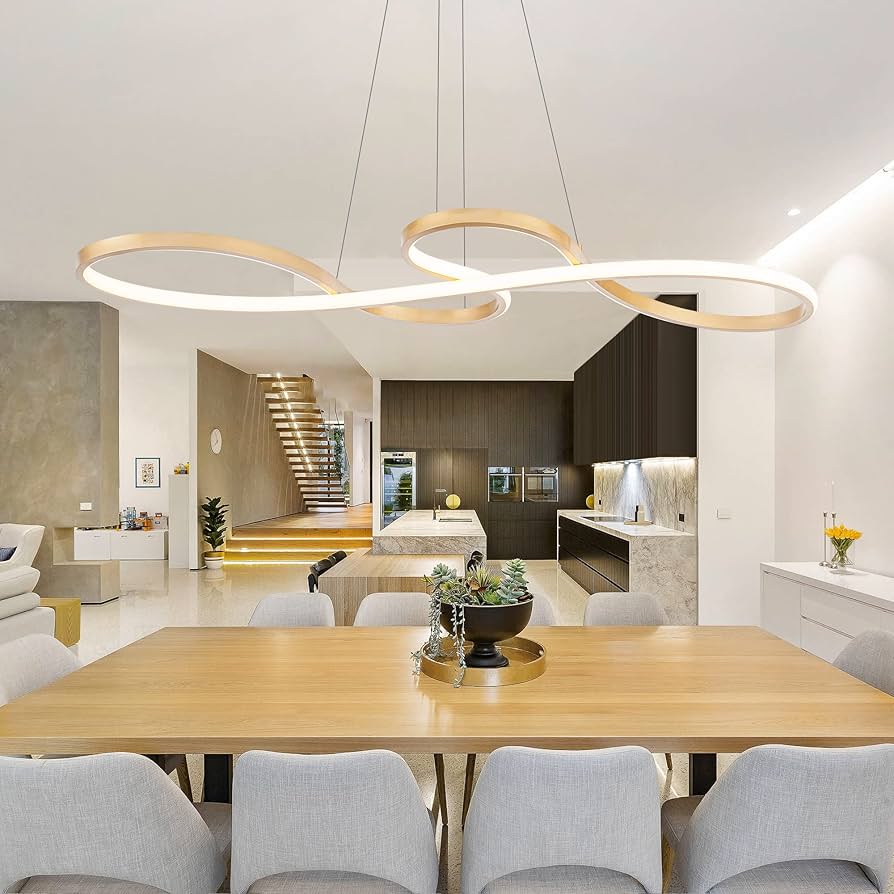
Lighting is one of the easiest ways to elevate a home.

I often walk into houses where everything else has been updated, but the light fixtures are still from 1993, or the cheapest option from the store. Swapping a dated fixture for something simple and modern can instantly change how a room feels.

Buyers may not consciously analyze the lighting, but they absolutely feel the difference.

3. A Calm, Cohesive Paint Palette

Paint is powerful.

Homes where every room is a different bold colour can feel chaotic, even if the house itself is lovely. A simple, cohesive palette - soft whites, warm neutrals, gentle greys - creates a sense of calm that buyers respond to immediately.

It allows people to imagine their own life in the space, which is exactly what you want.

4. A Welcoming Entryway
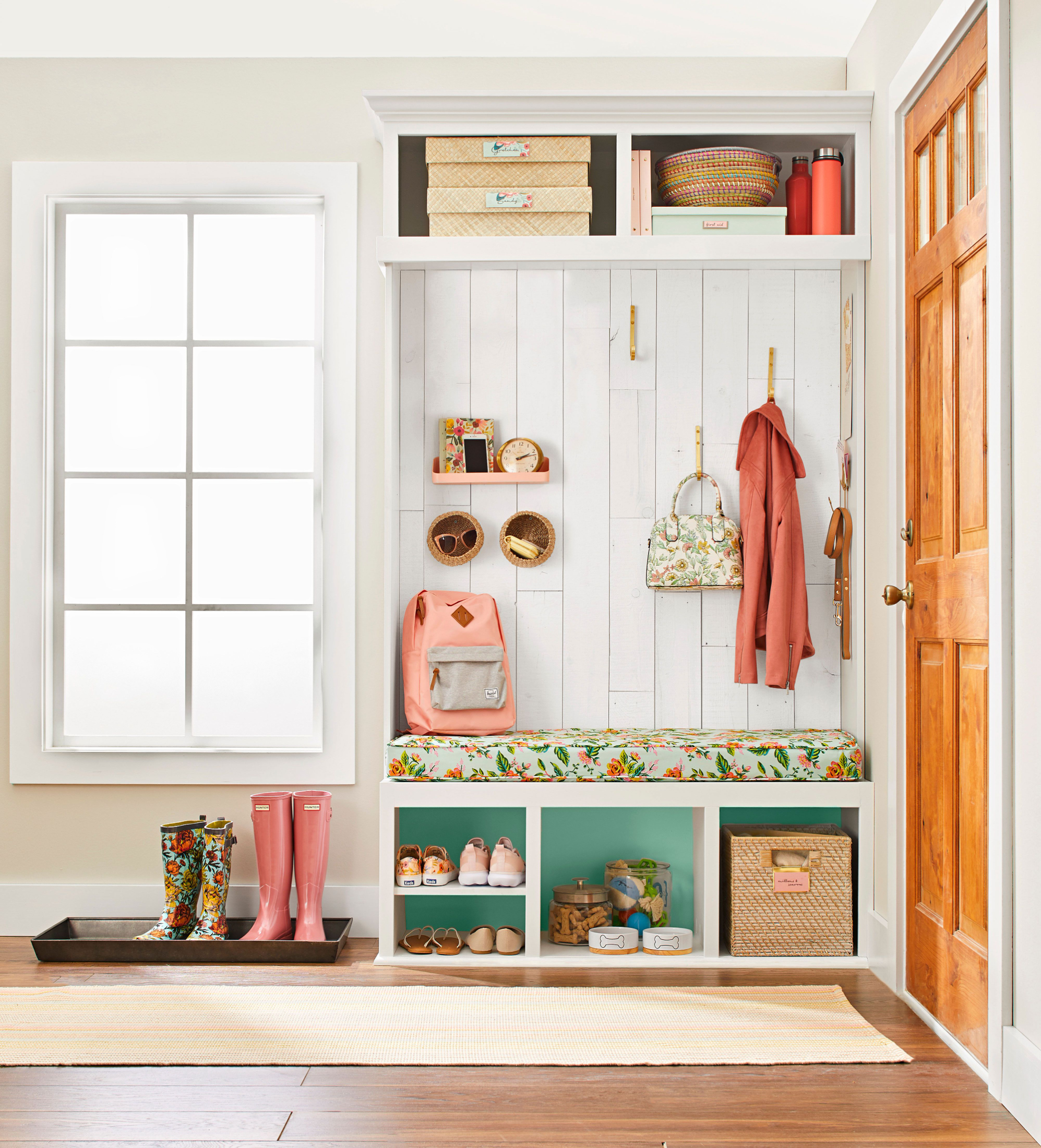
First impressions matter.

When someone walks into a home and the entryway feels clean, bright, and intentional, it sets the tone for the entire showing.

A small bench, a mirror, good lighting, and a bit of organization can make even a modest entry feel inviting. It signals that the home has been thoughtfully maintained.

5. Simple, Well-Maintained Landscaping

You don’t need a magazine-worthy garden to create curb appeal.

What buyers respond to most is care. Trimmed shrubs, tidy garden beds, and a clean pathway all send a message before anyone even steps inside: this home has been looked after.

And that feeling carries through the rest of the showing.

The interesting thing about all of these choices is that none of them are dramatic. They’re quiet. But together, they create the feeling buyers are looking for: a home that is cohesive, comfortable, and thoughtfully cared for.

And in real estate, that feeling matters more than people realize.

If you’re ever curious which updates actually make sense for resale, and which ones probably don’t, I'm always happy to share what I’m seeing in the market right now.


Read

Navigating The Sale of Your Home and Purchasing a New One

Navigating the sale of your current home and the purchase of a new one at the same time in Canada is complex and high stakes. It requires coordination to avoid owning two homes at once or, worse, having nowhere to go. That said, it is very common and absolutely doable with the right plan.

Here is how to approach buying and selling at the same time in our market.

1. Choosing the Right Strategy

There is no one size fits all approach, but there are three common strategies.

Sell First, Then Buy
This is the safest route. You sell your home, negotiate a longer possession date, and then shop knowing exactly how much money you have.
Pros: No risk of carrying two mortgages and no guessing on your budget.
Cons: You may need temporary housing if you do not find the right home quickly.

Buy First, Then Sell
This allows you to secure your next home before your current one sells.
Pros: Less pressure when house hunting and typically only one move.
Cons: You may need bridge financing or could be carrying two properties for a period of time.

Ideally, there is a small overlap in possession dates. That gives you time to move gradually, paint, clean, or complete minor updates before everything arrives.

2. Financial Tools That Help

If you purchase before your current home sells, financing tools can help manage the transition.

Bridge Financing
A short term loan that allows you to access the equity from your current home for the down payment on the new one.

Home Equity Line of Credit
A HELOC can sometimes be used to fund the down payment.

Mortgage Porting
If you have a strong interest rate, you may be able to transfer your existing mortgage to your new property and avoid penalties.

3. Managing Risk in the Contract

Subject to Sale Condition
You can make your purchase conditional on selling your current home. This protects you, but in a competitive market it can weaken your offer.

Longer Closing Period
If you are selling, negotiating a longer closing date can give you more time to secure your next home.

4. Critical Steps Before You Start

Get pre approved before shopping so you know your budget.

Understand your home type and market conditions. In a seller’s market, selling first gives you clarity and strength when competing. In a buyer’s market, selling first still puts you in control and prevents overextending yourself.

Work with an experienced agent who knows how to coordinate overlapping transactions.

Have a contingency plan in place in case possession dates do not line up perfectly.

5. Common Mistakes to Avoid

Underestimating costs such as bridge financing fees, mortgage penalties, double moving costs, and storage.

Closing on a Friday. If there is a funding delay, you may be waiting all weekend. Aim for Monday to Thursday.

Overpricing your current home. A competitive price reduces the risk of carrying two properties.

With planning, realistic timelines, and proper financing in place, buying and selling at the same time can be smooth and strategic rather than stressful.


Read
The trademarks REALTOR®, REALTORS®, and the REALTOR® logo are controlled by The Canadian Real Estate Association (CREA) and identify real estate professionals who are member’s of CREA. The trademarks MLS®, Multiple Listing Service® and the associated logos are owned by CREA and identify the quality of services provided by real estate professionals who are members of CREA. Used under license.